
Across Africa today, animators are actively defining what it means to animate Africanness for modern audiences. As digital pipelines, global distribution channels, and festival circuits expand, African animation practitioners face both opportunities and pressures: to portray identity in ways that are culturally grounded yet globally legible. Works from Egypt, Uganda, South Africa, and Nigeria reveal rich strategies for navigating this terrain, each balancing local aesthetics, narrative form, and production realities.
One of the most enduring case studies is Bakkar, the Egyptian animated series centered on a young Nubian boy. Bakkar’s visual design intentionally reflects regional markers like skin tone, clothing, and Nubian village architecture, grounding the protagonist in a recognizable cultural world without resorting to caricature. Crucially, the series embeds oral storytelling traditions, proverbs, moral lessons, and folkloric motifs—that resonate with Egyptian viewers while offering a model for how animation can preserve indigenous narrative forms in digital media. Rather than portraying Africanness as exotic or static, Bakkar situates identity as central and agentive, foregrounding the protagonist’s curiosity, resilience, and community engagement.
Moving eastward, the creative ecosystem in Uganda illustrates another facet of this negotiation. Works like Kizito & Friendsor Creatures from Uganda often weave local mythologies and ecological sensibilities into animated form. These animations engage with terrains, creatures, and cosmologies that are specific to East African cultural landscapes. Here, character design frequently incorporates stylized features drawn from indigenous art, mask traditions, or storytelling aesthetics. The result is a visual language that resonates with local audiences while signaling cultural specificity to outsiders. In this context, Africanness is not only about identity markers but also about relationality—to land, environment, and community narratives.

Figure 1. Creatures Studio
In South Africa, Triggerfish Animation Studios has become an influential presence with works that articulate a distinctly African visual palette within globally competitive production frameworks. Films like Zog or shorts produced by Triggerfish often reference African rhythms, musical textures, and community dynamics, even when aimed at international markets. Triggerfish’s approach reveals a dual strategy: they create universally readable characters and stories while embedding subtle cultural cues, colour choices inspired by local art forms, rhythmic editing patterns, and collaborations with African composers. These gestures maintain cultural specificity without isolating the work from global audiences, showing that Africanness can be preserved even in production pipelines that integrate global talent and workflows.
Nigeria’s animation scene adds yet another dimension, where grassroots creativity and narrative invention intersect with commercial aspirations. Nigerian animators, particularly those influenced by Nollywood aesthetics, are experimenting with visual storytelling that reflects urban experience, folklore, and contemporary youth culture. Titles like Rise of the Saints, Simi & Oscar confront questions of identity through character biographies that are rooted in social context, language use, music, fashion, and humor that align with Nigerian lived experience. These animations foreground local concerns while integrating stylistic influences from global media currents, embodying a hybrid negotiation of Africanness that refuses fixed boundaries.
Across these regional cases, several themes emerge in how Africanness is negotiated:
- Visual Semiotics of Identity. African animators often draw from indigenous design vocabularies, colour systems derived from local textiles, symbolic motifs from folklore arts, and architectural landscapes that reference real geographical locations. These design choices act as visual shorthand for cultural identity without resorting to stereotypes.
- Narrative Rooting in Oral and Popular Traditions. Whether through the moral tales in Bakkar or mythic creatures imagined in Ugandan works, African animation frequently privileges narrative forms rooted in oral culture. This preserves storytelling rhythms that differ from Hollywood paradigms and broadens the narrative possibilities of the medium.
- Language, Music, and Sound. Use of regional languages, dialects, and musical traditions amplifies cultural specificity. When animators choose indigenous soundscapes or rhythmic storytelling cadences, they reinforce identity markers that resonate with local audiences and enrich global viewers’ understanding of difference.
- Production Context and Creative Control. Maintaining Africanness often hinges on authorship and production agency. Projects led, written, and directed by African creators tend to foreground cultural priorities more consistently than works where creative decisions are outsourced or externally driven.
Yet this negotiation is fraught with challenges. Global distribution frameworks encourage standardized character designs and narrative arcs that can dilute local specificity. Broadband limitations, software access, and funding inequities further complicate how identity is rendered in motion. Still, African animators are responding creatively, embracing hybridity not as dilution but as re-articulation of identity within connected media ecologies.
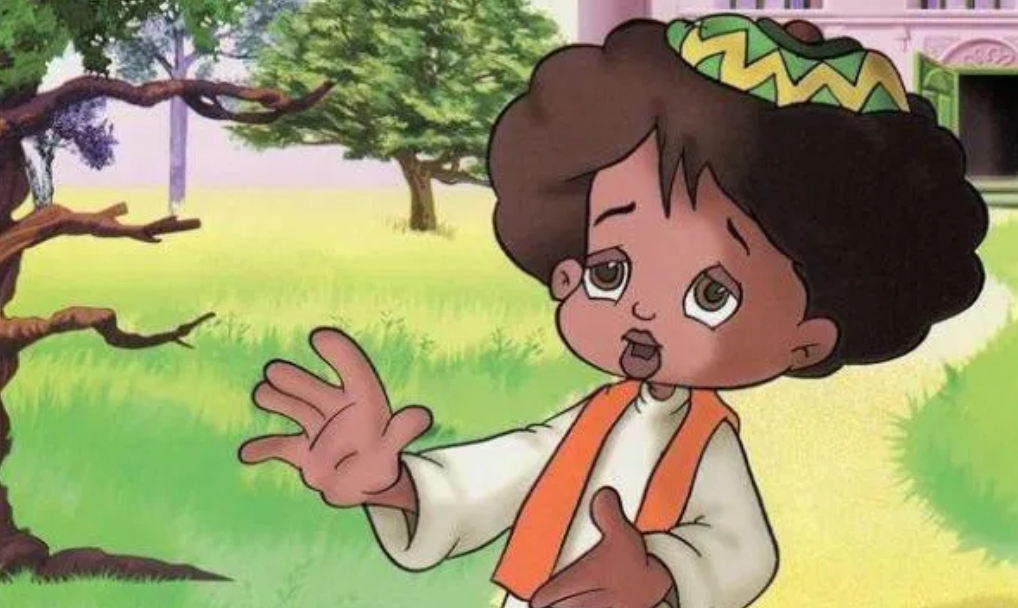
Figure 2. Bakkar
The result is a dynamic, evolving discourse on Africanness in animation, one that refuses monolithic definitions and instead embraces multiplicity. Bakkar’s grounded Nubian protagonist, Uganda’s creature narratives rooted in ecological imagination, Triggerfish’s hybrid global strategies, and Nigeria’s urban-inflected storytelling all demonstrate that Africanness is not a fixed trait but a negotiated practice. By analyzing these works side by side, we gain insight into how contemporary African animation articulates identity through design, story, and production choices that are at once distinctly local and globally conversant.
Dr. Mohamed Ghazala is an Associate Professor of Animation and Chair of the School of Cinematic Arts at Effat University, where he leads academic development in animation, film production, and creative media. He is also Vice President of the International Animated Film Association, ASIFA, and founder of its first chapter in Africa and the Arab world, contributing to international collaboration in animation education and practice. His research and creative work focus on animation theory, experimental filmmaking, and media pedagogy with an emphasis on cross-cultural representation and industry engagement. He is the author of Animation in the Arab World and Animation in Africa, and his films have been screened and awarded internationally, including recognition at major film festivals and industry platforms. He actively serves as a juror, lecturer, and workshop facilitator, strengthening links between academia, professional practice, and global animation discourse.