Rethinking TingaTingaTales in Kenyan Animation History
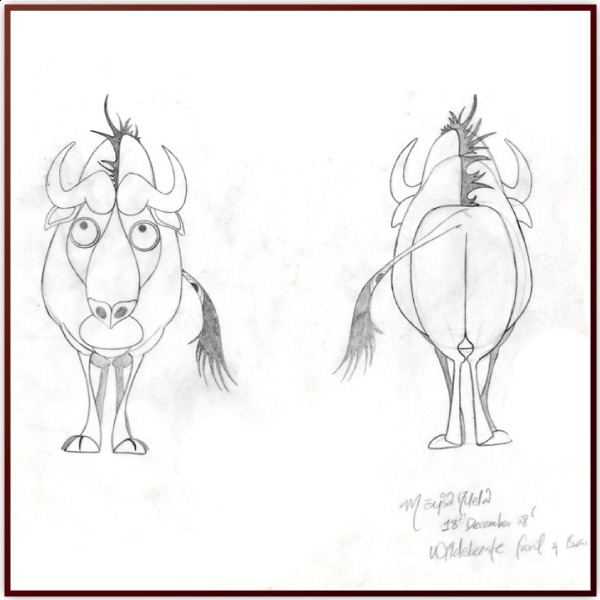
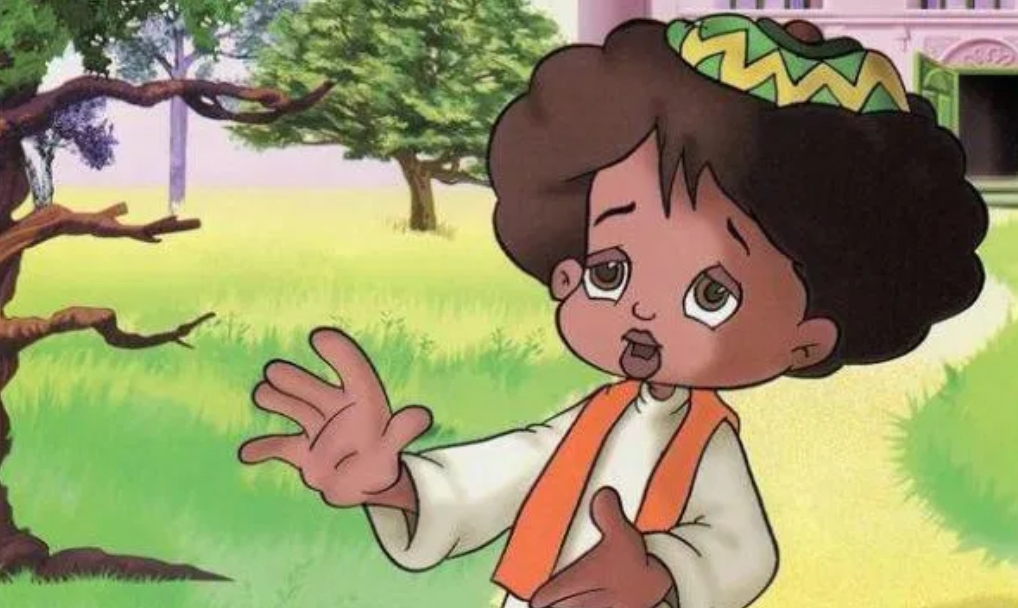
Sixteen years after it first aired, I am watching TingaTinga Tales with my toddlers, who are two and four. They chuckle at the gags and ask me to point out which characters I designed. After two episodes, they have nearly exhausted their screen time and want only their current favorite dinosaur show. As I revisit … Continue reading Rethinking TingaTingaTales in Kenyan Animation History→

Negotiating Africanness in Contemporary African Animation

Across Africa today, animators are actively defining what it means to animate Africanness for modern audiences. As digital pipelines, global distribution channels, and festival circuits expand, African animation practitioners face both opportunities and pressures: to portray identity in ways that are culturally grounded yet globally legible. Works from Egypt, Uganda, South Africa, and Nigeria reveal … Continue reading Negotiating Africanness in Contemporary African Animation→

Animated Environments and Uneven Futures: African Futurism, Class and the City in Iwájú (2024)

In this post, I argue that Iwájú (2024) redefines African futurism through animation by mobilizing the animated urban environment of Lagos as the primary site through which class inequality, technological unevenness, and futurity are made visible and materially legible. In addition, this piece treats Lagos city in Iwájú not as a backdrop but as an … Continue reading Animated Environments and Uneven Futures: African Futurism, Class and the City in Iwájú (2024)→

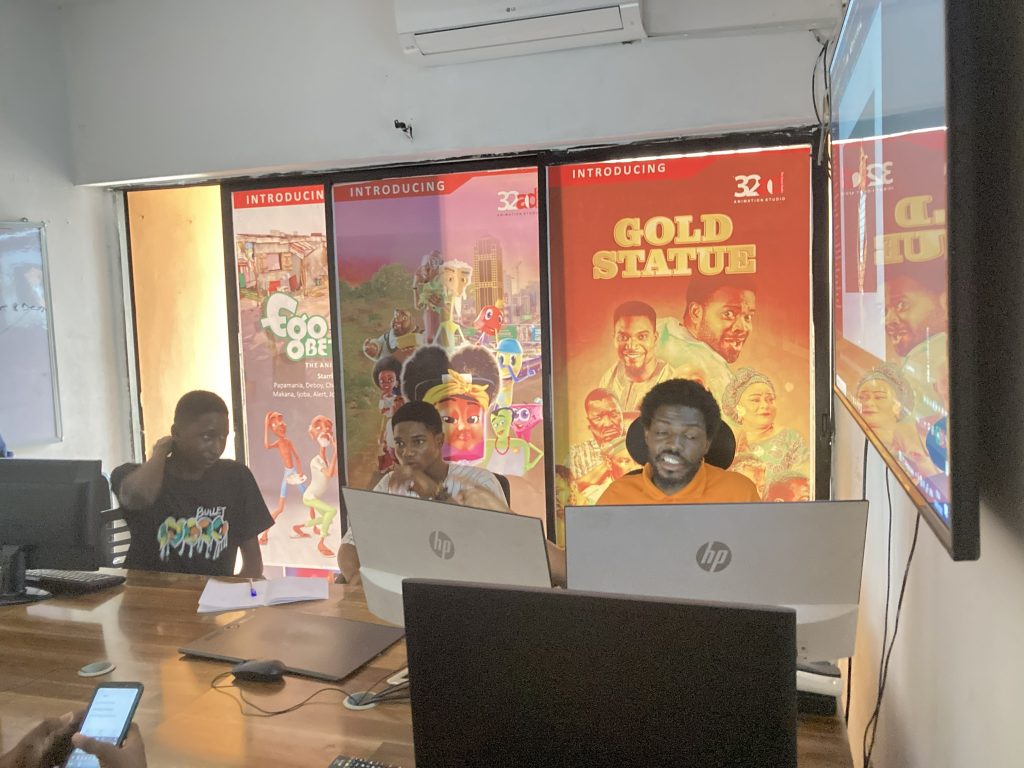
The African Animation Studio as a Learning Institution

African animation scholars have discussed the role of formal art institutions in producing auteurs like Moustapha Alassane, Jean-Michel Kibushi, and Ebele Okoye (Callus 2018, Sawadogo 2019). In this piece, I propose that the African animation studio is a creative and learning center, a workshop that produces animation as well as animators. While individuals can take … Continue reading The African Animation Studio as a Learning Institution→

Female Memory, Landscape and Liminal Mediation in Nayola

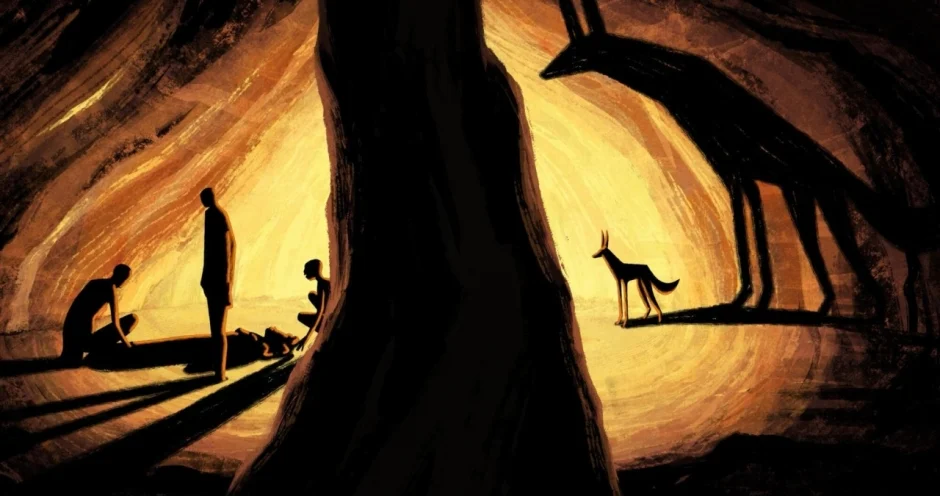
In the opening minutes, Nayola narrates a dream: a man runs naked through tall grass, gunshots crack, he collapses in mud, and a mulemba tree grows from the place where he falls. In the final sequence, a masked figure crosses a terrain scattered with abandoned weapons towards an uncertain horizon, while Bonga’s ‘Mona Ki Ngi … Continue reading Female Memory, Landscape and Liminal Mediation in Nayola→

Coyote v. Spectator: Ruptured grace in animated humour

2026 marks the resurgence of animation’s most sophisticated anti-hero: Wile E. Coyote. While he has spent decades in a cycle of recursive trauma, he recently moved from the desert to the courtroom in the film Coyote v. Acme1. This cinematic resurgence is based on Ian Frazier’s 1990 New Yorker humour piece2, where the Coyote sues … Continue reading Coyote v. Spectator: Ruptured grace in animated humour→

Punch the clock

Punch the Clock: Looney Tunes and Labor

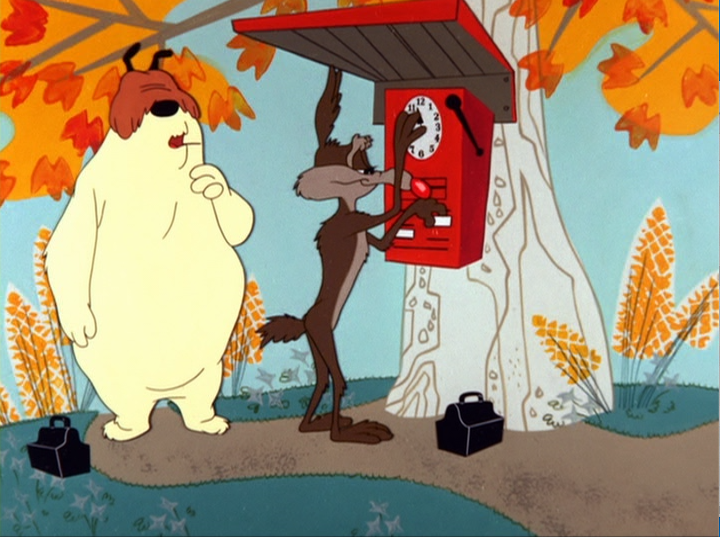
In the years of 1953 through 1963 five hilariously funny Warners Brothers Looney Tunes were produced featuring the characters of Sam Sheepdog and his antagonist – coworker Ralph Wolf. The overarching theme of the series is the gag that Sam and Ralph are working a production line job and punch a time clock. Considering the … Continue reading Punch the Clock: Looney Tunes and Labor→

Drawn to Nature cover

Book Review: Drawn to Nature (2025) by Colin Williamson

Colin Williamson’s Drawn to Nature argues that “science animation” is not a niche offshoot bolted onto cartoon history, but a force that has long shaped mainstream American animation. Williamson’s central wager is persuasive: scientific ideas about nature did not merely supply topics for cartoons, but helped animators test what animation can show, how it can … Continue reading Book Review: Drawn to Nature (2025) by Colin Williamson→

The (In)Appropriate Aesthetic of BoJack Horseman (2014)

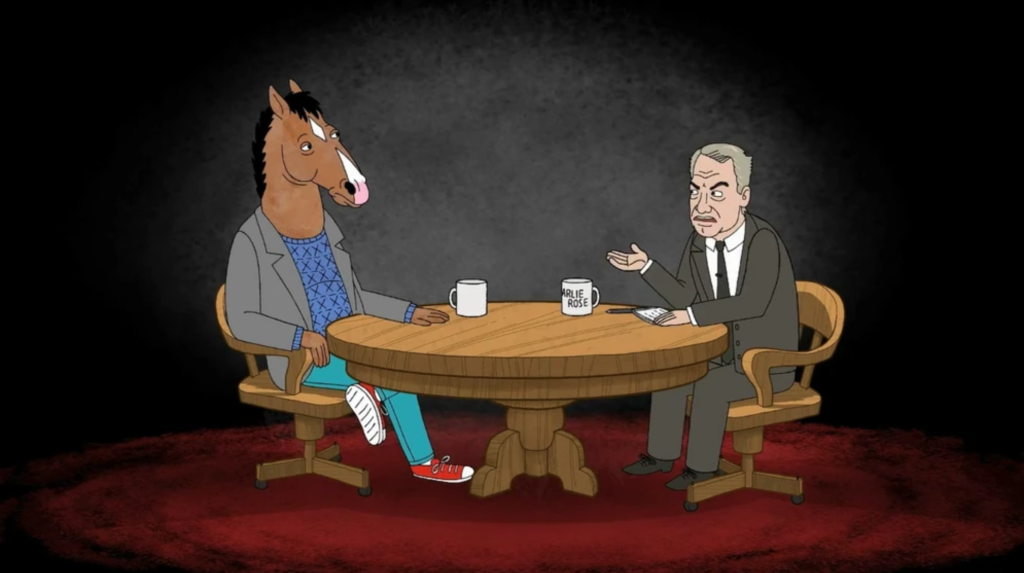
Destructive yet corrective, social yet subjective, the contradictory nature of humour makes it difficult to define. This is perhaps never more apparent than when humour relies upon the seriousness of its given topic. Over and above philosopher Arthur Schopenhauer’s claim that behind all humour ‘the deepest seriousness is concealed and shines through’ (2012: loc. 4355), … Continue reading The (In)Appropriate Aesthetic of BoJack Horseman (2014)→

Crapston Villas

How to use animated absurdity and well-timed jokes to say the things you’re not supposed to say out loud

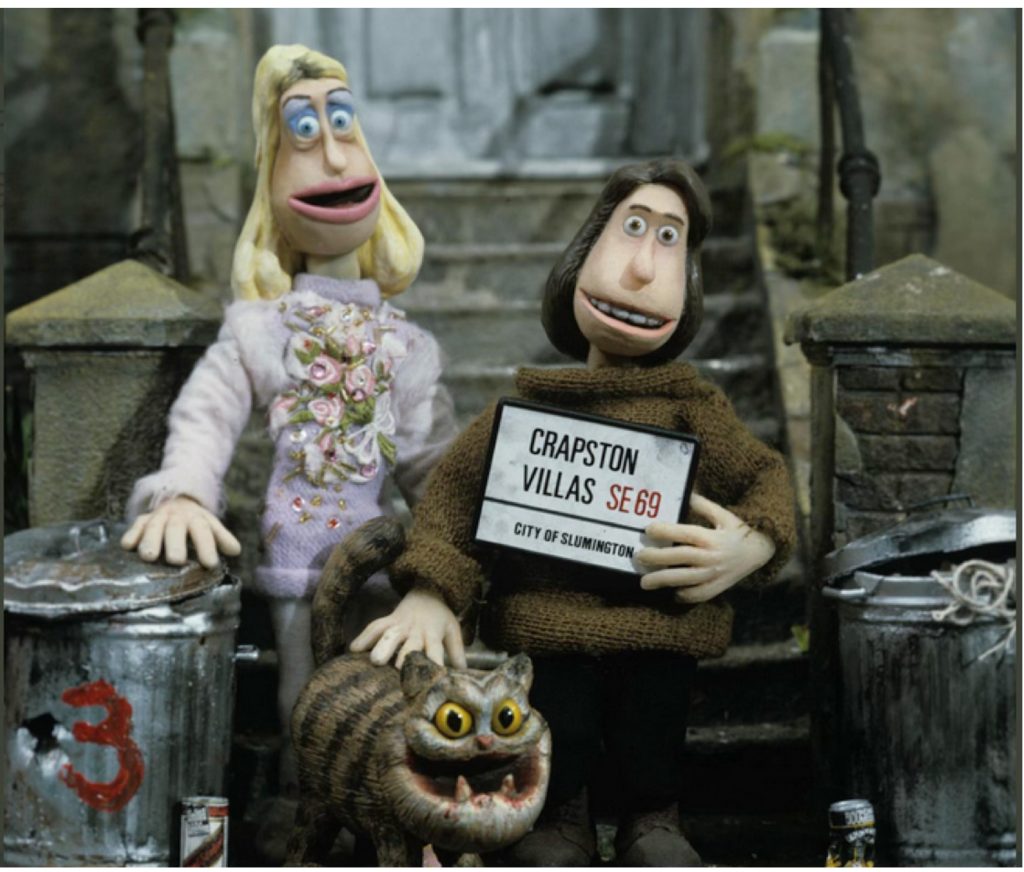
Humour has been a consistent thematic thread throughout my practice. My first short, animated film, Family Favourites—a wry exploration of how emotionally fraught and dysfunctional Christmas can be—was screened on Channel 4 in 1990. The film drew on the tension between expectation and lived experience, exposing how events culturally framed as joyful can feel claustrophobic, … Continue reading How to use animated absurdity and well-timed jokes to say the things you’re not supposed to say out loud→