As the pull towards African animation escalates globally among major production companies, with the continent’s attractive population size and mostly untapped market, there is an unmistakable distance from the very audience they claim to be interested in. Recent African-led projects, such as Kizazi Moto: Generation Fire (2023), Super Team 4 (2018), and Iwájú (2024), have received international distribution and acclaim largely through stake-holding partnerships with Western studios (Chapot, 2025). While these collaborations equate to a net positive for African visibility, they also place limitations on the accessibility of said films. For example, despite Disney’s commitment to distributing and co-producing Kizazi Moto (alongside South African studio Triggerfish) on their streaming platform, Disney+, the service itself is only available in 6 of the 54 countries on the continent (Forristal, 2022). Additionally, a considerable majority of these internationally released projects are set in a futuristic, imagined version of Africa, where any remnants of modern-day life exist only through language, mythology, and cultural aesthetics.
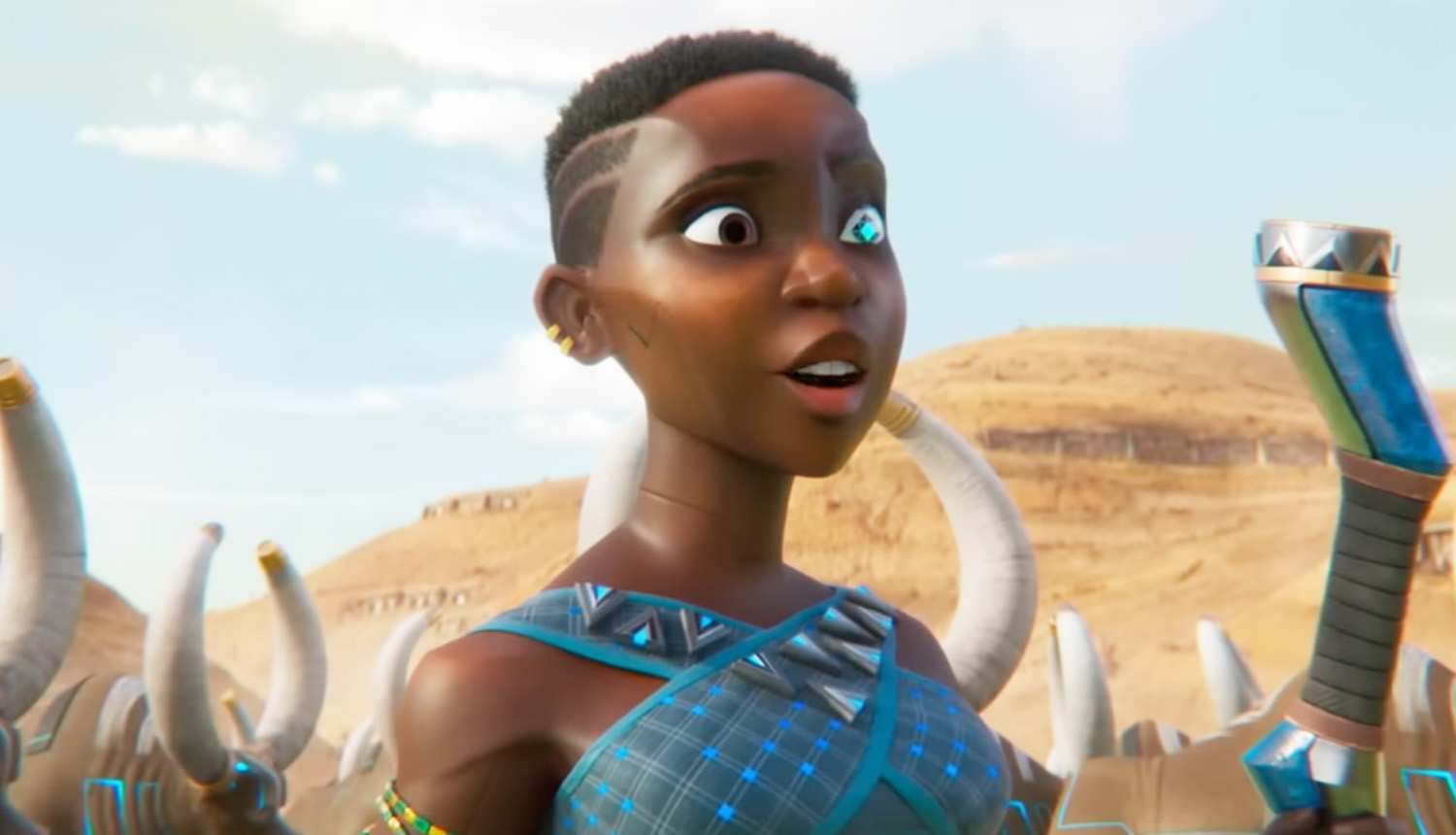
Figure 1. A still from Kizazi Moto: Generation Fire (Triggerfish Animation Studios & Walt Disney Animation Studios, 2023)
One studio that stands strong in its commitment to intellectual property preservation is the Nigerian independent animation company Taeps Animation Studios. Founded in 2017, Taeps has consistently produced culturally relevant African films across its small but intentional body of work. This is especially evident in their 10-minute film The Spirit of Dambe (2025), which was released on YouTube and centers on a young man training for the Hausa martial art of Dambe fighting in pursuit of financial freedom and familial legacy. Using universally recognized underdog tropes and incorporating techniques from both Western and Eastern animation, the film develops a distinctly Northern Nigerian story that has the ability to resonate with a diverse set of audiences. The Spirit of Dambe distinguishes itself as a standout work not only because of its narrative but through its ability to produce and circulate a contemporary, local story on its own terms, positioning Taeps Animation Studios as a pioneer within the broader shift towards autonomous African representation in global animation.
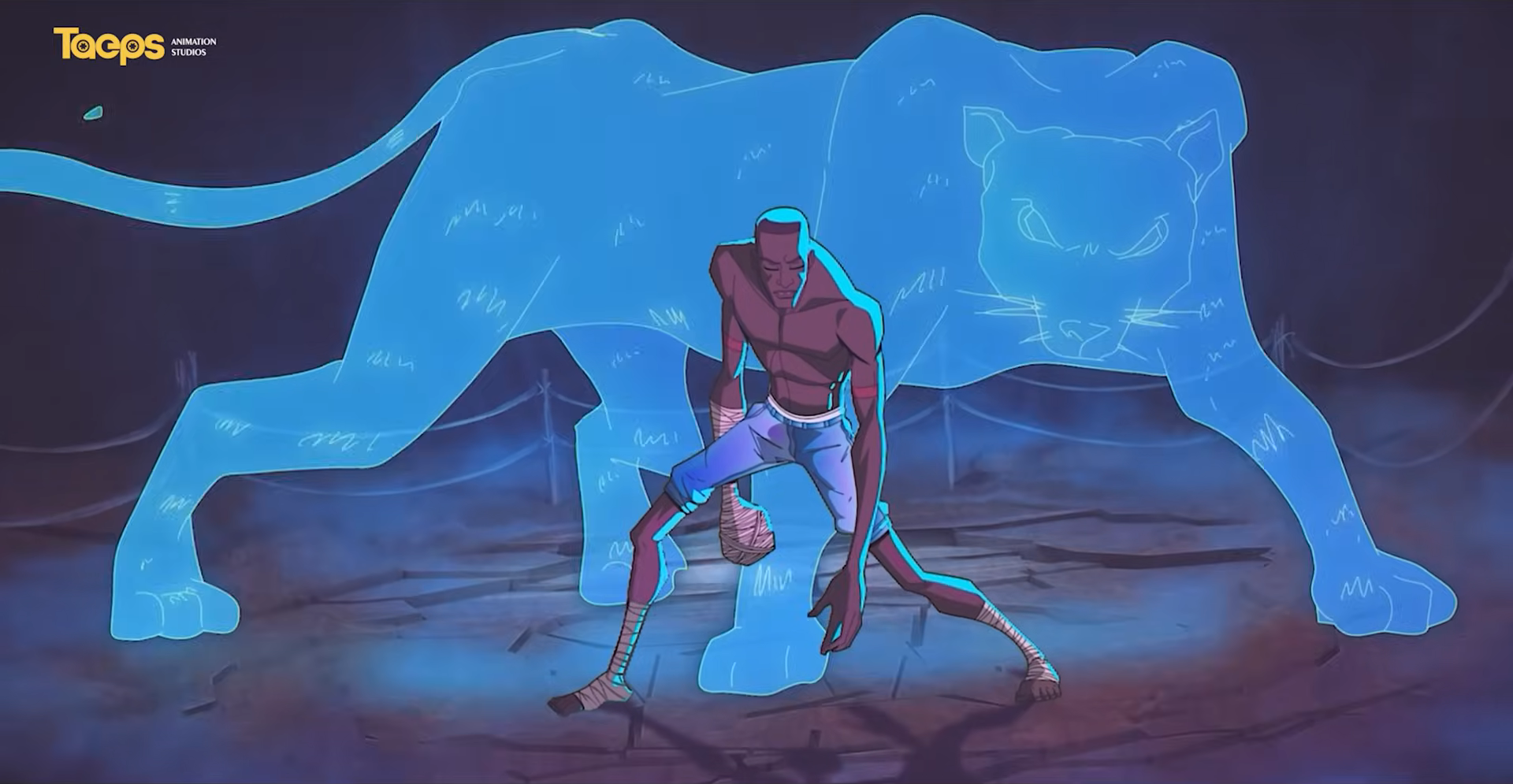
Figure 2. A still from The Spirit of Dambe (Taeps Animation Studios, 2025).
The Spirit of Dambe’s use of Dambe as a storytelling device is noteworthy because its cultural specificity anchors immediate relevance for Nigerians, but also, over the course of the short, reframes a stigmatized practice within the country itself. Dambe, though common to Northern Nigeria, is not a celebrated sport. It is often looked down upon because of its association with young, poor men who compete for sizeable prize money (VICE News, 2021). Centering this tradition creates an opportunity to platform the subject as one of narrative value.
The film opens with a montage of stylized, scratchy illustrations of crowds gathering, then starkly transitions to impact frames reminiscent of action anime, thrusting the viewer into the middle of a Dambe fight. The animation is grounded and conservative, relying on various frame holds that fade from one to another to create the illusion of movement, with most of its dynamism being achieved through its ambitious shot compositions. These animation restraints are no doubt economical, but also highlight a level of discipline and precision required to compete, elevating Dambe from street spectacle to intentional sport.
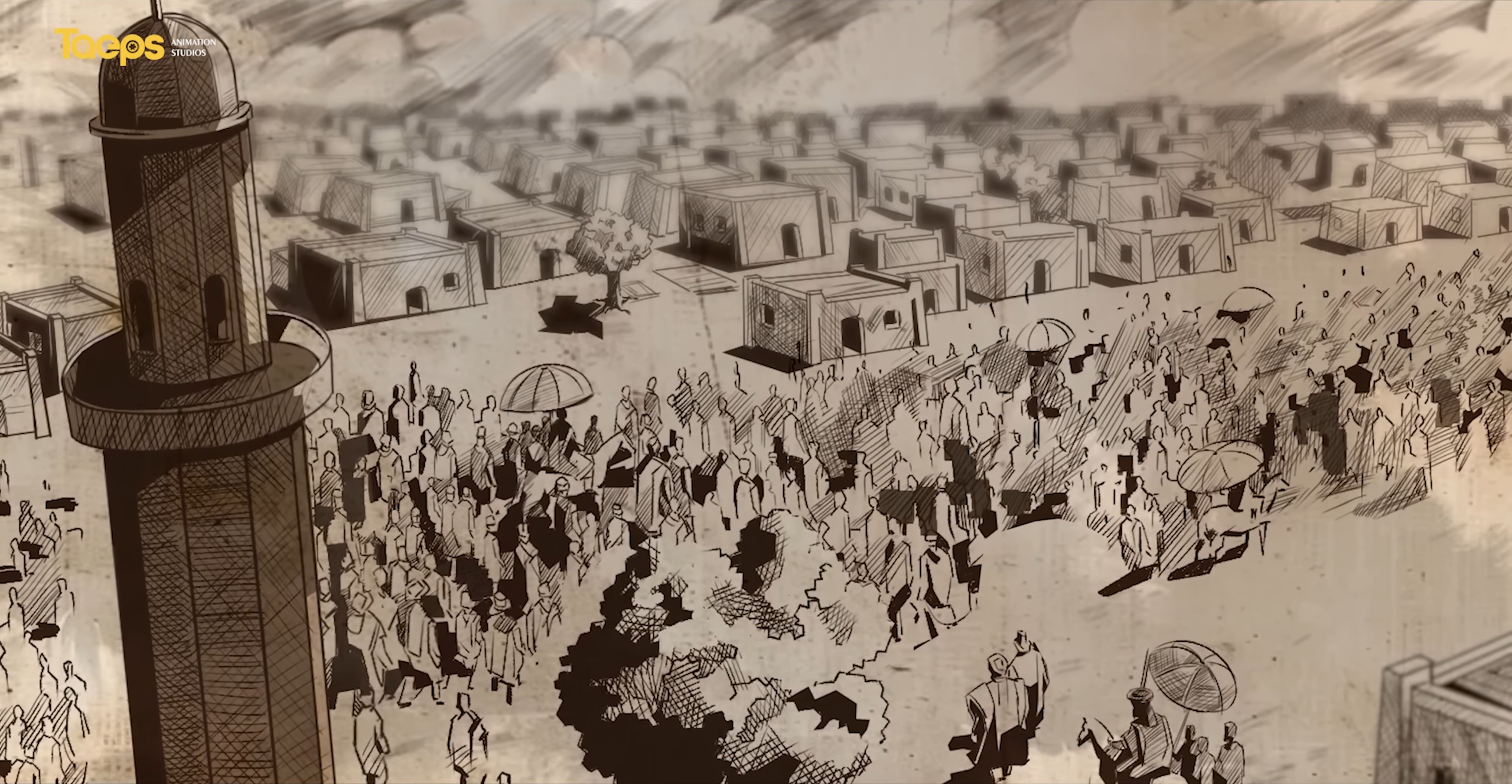
Figure 3. A still of the opening sequence from The Spirit of Dambe (Taeps Animation Studios, 2025).
While there are inconsistencies in character design and perspective, it doesn’t detract from the film’s broader achievement. The Spirit of Dambe has amassed 270,000+ views on YouTube since its release, with overwhelmingly positive feedback regarding the film’s authenticity and design (Taeps Animation Studios, 2025). Taeps boasts their accomplishments online, sharing that the film was selected to screen at 2 Nigerian film festivals and 4 international festivals (Taeps Animation Studios, 2026), including the Lift-Off Global Network’s Session – Volume 7, where they were awarded the Jury’s Overall Winner (Barrameda, 2025). The studio produced a film that invites Nigerian audiences to reconsider a familiar, yet misunderstood tradition, and offers global viewers an entry point into an African story that is emotionally resonant and visually impactful.
The Spirit of Dambe, as a production, is an impressive feat, one predicated on an understanding of the industry constraints Taeps has had to navigate. Animation in Nigeria, and Africa as a whole, is a relatively new industry, with its earliest record being traced back to the early 2000s, whereas animation sectors in the US, Europe, and Japan trace back as far as the early 1900s (Chapot, 2025). Formal education on the subject remains slim continent-wide, so most animators in Nigeria are either self-taught or studied abroad (Agunloye, 2024). This trajectory is represented in the background of Taeps’ founder, Adeoyin Okuboyejo, who studied computer science at the University of Aberdeen in Scotland before establishing the studio. Operating within the restrictions of limited capital, animation education, and distribution infrastructure, Okuboyejo has made a specific effort towards local collaboration, explicitly stating, “We’re not just creating animation; we’re preserving cultural identity” (THISDAYLIVE, 2025). This approach is evident in Taeps’ screening partnership with Filmhouse Cinemas, the largest cinema chain in Nigeria, as well as outreach efforts such as their multi-school tour around Lagos following the online release of The Spirit of Dambe (Taeps Animation Studios champions African values, 2025). Okuboyejo remarked that over 2,000 attendees were “glued to the screen” (Okuboyejo, 2025) at the showing they organized alongside Nigeria’s first children-focused radio station, Kids FM 101.7’s annual Kids FM Festival. One successful and unconventional collaboration was Taeps’ partnership with the leading Dambe organizing and promotion initiative, African Warriors Fighting Championship, where match attendees received an exclusive screening of the film in congruence with the fights (African Warriors, 2025). These initiatives, though small on a global scale, reduce the reliance on foreign distributors and show the local commercial viability of animation.
Taeps Animation Studios isn’t a worldwide household name yet, and the success of The Spirit of Dambe remains moderately contained, but in placing its focus on self-distribution, local presentations, and subject matters authentic to the realities of modern-day Nigerians, the studio is making an unspoken statement about what African animation can be when it isn’t functioning for external validation. The demand for African animation has been established. The question now is who gets to build the infrastructure for the industry to exist. Taeps models the notion that the answer doesn’t have to come from abroad.
References:
African Warriors [@africanwarriorsfc], Taeps Animation Studios [@taeps.studios]. (2025, June 26). We are excited to announce a special collaboration with African Warriors Fighting Championship (AWFC) @africanwarriorsfc the leading promoters of Dambe… [Instagram post]. Instagram. https://www.instagram.com/p/DLXxq4IobjH/?img_index=1
Agunloye Taylor, D. (2024). Nigeria: Young people develop interest in animation. Africanews. https://www.africanews.com/2022/03/26/nigeria-young-people-develop-interest-in-animation
Barrameda, C. (2025, September 10). Lift-Off sessions winners volume 7. Lift-Off Global Network. https://liftoff.network/sessions-volume7-winners/
Chapot, M. (2025). Why the African animation industry is in a gridlock, and how to turn the tables. Savannah Creatives. https://savannahcreatives.substack.com/p/why-the-african-animation-industry
Forristal, L. (2022, June 10). It’s here: Disney+ is officially live across the Middle East and North Africa. TechCrunch. https://techcrunch.com/2022/06/10/disney-rolls-out-to-16-more-markets-across-the-middle-east-and-north-africa
Okuboyejo, A. (2025, August). It was absolutely amazing showcasing “The Spirit of Dambe” to over 2000 people at the Kids FM Fest! The feedback was overwhelming with great applause! Thank you again to the team for making it happen! [LinkedIn post]. LinkedIn. https://www.linkedin.com/posts/adeoyin-okuboyejo_it-was-absolutely-amazing-showcasing-the-activity-7353164285000187904-imz3/
Taeps Animation Studios. (n.d.). Taeps Studios. https://taepsstudios.com/
Taeps Animation Studios. (2024). Taeps CEO, Adeoyin Okuboyejo tells us what we should know about Taeps [Video]. YouTube. https://www.youtube.com/watch?v=eK3C5_OifZ4
Taeps Animation Studios. (2025, June 11). The spirit of Dambe: Love & legacy (pilot) [Video]. YouTube. https://www.youtube.com/watch?v=nai61gPBEzM
Taeps Animation Studios [@taeps.studios]. (2026, January 22). As we embark on our projects for 2026, we’re filled with excitement for what lies ahead. 2025 was a landmark year for us and for The Spirit of Dambe… [Instagram post]. Instagram. https://www.instagram.com/p/DT0EvD8jO4v/
THISDAYLIVE. (2025). Taeps Animation Studios champions African values in schools with The Spirit of Dambe. https://www.thisdaylive.com/2025/06/11/taeps-animation-studios-champions-african-values-in-schools-with-the-spirit-of-dambe
VICE News. (2021, March 27). Inside the brutal world of Nigerian boxing [Video]. YouTube. https://www.youtube.com/watch?v=35NzG0k9PdU
Imaeyen Effiong is currently an MFA candidate for the Expanded Animation: Research and Practice program at the University of Southern California. She holds a BFA in Graphic Design from the University of Tampa, a foundation that informs her visually dynamic approach to storytelling. Her first animated film, A Small Intrusion, is a psychedelic journey that follows a woman as she enters her mind and explores cerebral landscapes in search of the “problem” area in her brain. Effiong has also contributed her talents as Art Director on the animated short film Nalb Noum, expanding her creative contributions beyond her own authorial work. Her creative practice sits at the intersection of culture, psychology, and philosophy, which she explores through animation and written narrative. Driven by the culmination of her curiosities, Effiong looks to push the boundaries of the medium in the hopes that her work allows audiences to look within and discover new things about themselves.