In the years of 1953 through 1963 five hilariously funny Warners Brothers Looney Tunes were produced featuring the characters of Sam Sheepdog and his antagonist – coworker Ralph Wolf. The overarching theme of the series is the gag that Sam and Ralph are working a production line job and punch a time clock. Considering the issues of animation and labor, and more specifically, the involvement of the director Charles M. Jones in the labor union movement as a member and organizer of his fellow workers, these films are more than mere humorous entertainment. There is a deeper message of the labor and management relationship that shaped these films and an analysis of one of those particular animated films from 1953 ‘Steal Wool’ has ideological implications for the socio-cultural issues of management and labor.
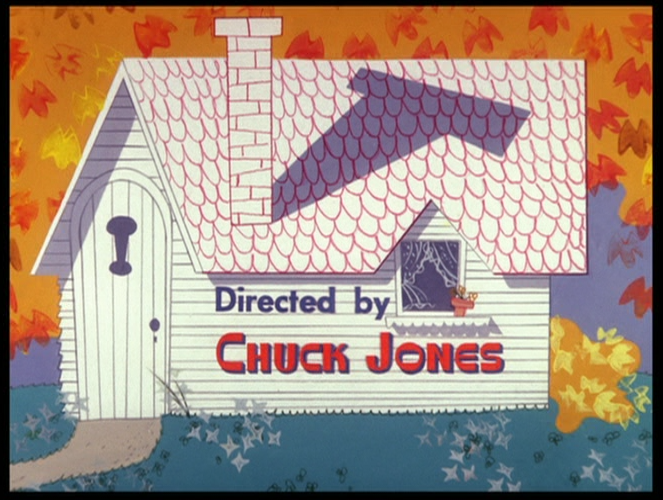
Figure 1. Sam Sheepdog lives the suburban homeowners 1950’s existence. © 1957 Warner Brothers
The title of the film ‘Steal Wool’ is in itself a pun that has origins in the waste of industrialization – the shavings of steel that found a use in manufacturing as a method of scrubbing and cleaning. Steel wool combined with soap was sold as a commercial household product, such as Brillo and SOS pads, in the 1950s with the television marketing aimed at making housewives’ chores easier and more efficient. The film derives its humor from the juxtaposition of the word ‘Steel’ for ‘Steal’ and that the characters are employed in a labor and management struggle in a prosaic pre-industrial setting (forest and fields), in which they engage in the actions of sheepdog (management) and wolf (labor). Labor (wolf) commits acts of absurd slapstick humor, often with incredible inventiveness and creativity, that is always thwarted by management (sheepdog) through physical violence and intimidation.
At the start of the film is the view of an almost storybook version of a suburban 1950’s abode. As the camera pans it stops and moves in for a closer medium shot through a bedroom window. All that is seen here is a nightstand table with an alarm clock sitting prominently in the shot. It suddenly shakes and dances as the sound effects trigger the alarm. Feet appear and toes wiggle as Sam Sheepdog rolls out of bed and yawns, stretches, and scratches. The clock starts his day. He lives his day in clock measured time. Sam’s world is monitored by factory discipline. Yet the house and surroundings stand deep in forest. Grass, flowers, and trees remind the viewer that industrialization and commodification can infiltrate any environment. That capitalism can use quantitative time to subvert the natural would and the task oriented work it once favored. As Sam exits his home, he greets Sam with a “Good Morning, Sam,” to which Ralph replies, “Good morning, Ralph.” The two are cordial co-workers.
One note about Ralph Wolf is that he looks entirely identical to Wile E. Coyote. This recycling is notable in that it eliminates having to design and promote another new Looney Tunes character. Labor is saved, and to the same effect, so is money. The brilliant option to paint Ralph Wolf’s nose red reveals his purpose in this cartoon reality. Ralph is the worker. He is the proletariat and may even have Marxist or socialist leanings. Ralph is the union man and the 1950’s red menace in wolf’s clothing. Chuck Jones was active in organizing for the cartoonists union at Warner Brothers during the 1940’s and was not unfamiliar with labor and management issues in the animation industry. Jones was a key figure in contract negotiations with the Schlesinger Studio and Warner Brothers in 1941. He was also considered subversive and possibly a Communist by management. Ralph’s color choice was Jones act of rebellious humor – thumbing his nose at management.
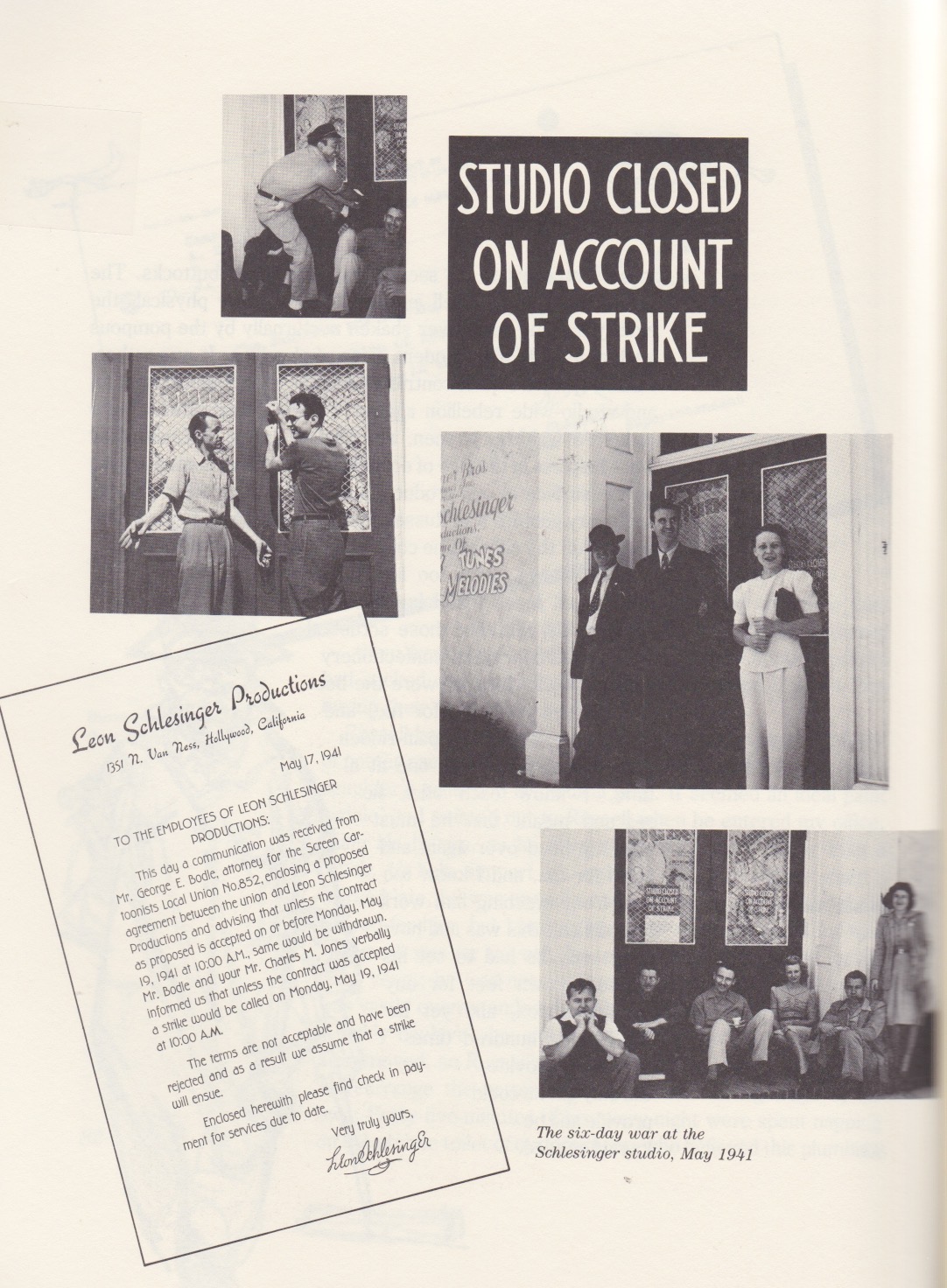
Figure 2. Studio memo and photos from the Schlesinger Studio strike. From ‘Chuck Amuck’ by Chuck Jones. © 1989 Chuck Jones
As Sam and Ralph start their day, they stop to clock in. In this scene, the gag of the pastoral task oriented work of the sheepherder that has been finally turned on its end and converted into a form of factory discipline is complete. The humor is unmistakable, as almost everyone can relate to having employment in a factory or industrial type setting in the 1950s with the increase in consumerism and industrialization.
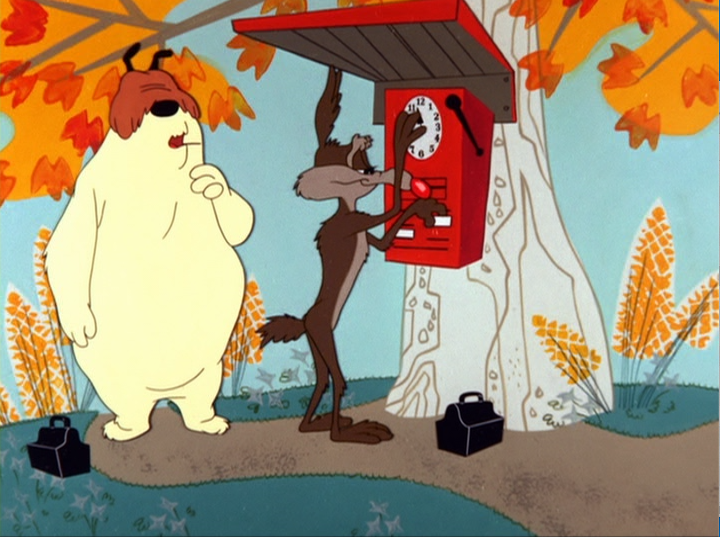
Figure 3. Sam and Ralph engage in E.P. Thompson’s factory discipline. © 1957 Warner Brothers
As the two approach their workplace/pasture, a significant separation occurs between the two and the labor hierarchy is explained in true animated and Chuck Jones style as Sam Sheepdog perches high above on a cliff, while Ralph Wolf somberly strolls down to a lower level to put on his pre-game wolf face. Sam is the overseer, the authoritarian, and most definitely management. Ralph is sent to the lower depths as the factory worker on the manufacturing floor. He is, if we didn’t realize it previously, the laborer.
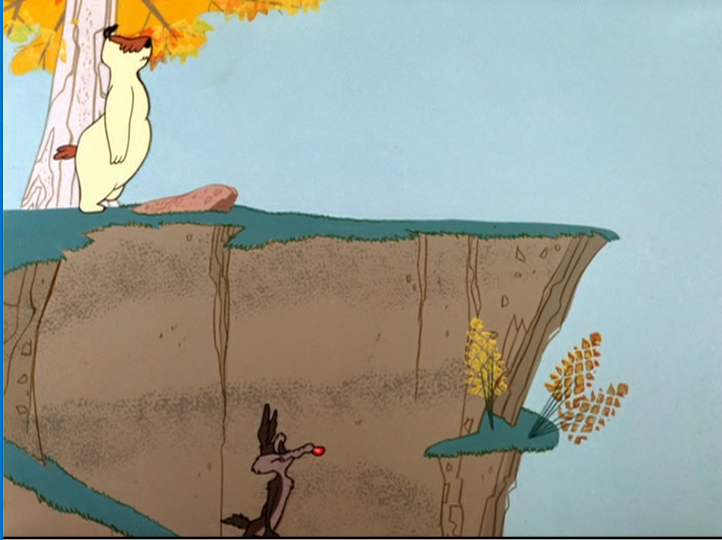
Figure 4. Sam and Ralph reveal their roles in the industrial capitalism and labor relations.
From here the film goes through a series of absurdist gags in the style of the Coyote and Road Runner series. Again, many of these are variations of the familiar gags and can be seen as money and labor saving devices. Ralph endures what appears to be multiple episodes of injuries and at the end of the film is seen in a sling and told to take time off by his manager Sam.
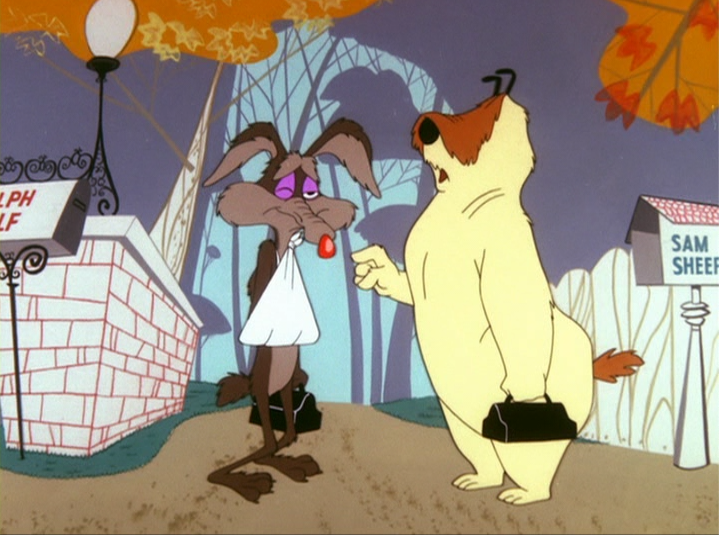
Figure 5. It’s time off for work injuries for Ralph Wolf. ©1957 Warner Brothers
Through the humor of director Chuck Jones and writer Mike Maltese, the film ‘Steal Wool’ uses the structure of industrial capitalism to convey the underlying reality of labor in the 1950’s workplace. Suggesting, in a sly wolfish wink to the audience, the socialist labor ideology of Jones and his associates. And a reminder of a time where workers fought to bring about change in labor by unionizing and seriously applying that socialist ideology to American capitalism.
References:
Jones, Chuck Chuck Amuck United States: Avon Books 1990.
Thompson, E. P. Time, Work-Discipline, and Industrial Capitalism United Kingdom: Past & Present, No. 38, Dec., 1967), pp. 56-97, Oxford University Press.
Daryl Boman is an artist, writer, filmmaker, sculptor, and technologist who lives in Santa Barbara, California with his wife Kim and two smart ass parrots, Heckle and Jeckle.